Selling Old Silverware: Sterling or Silverplate, and Where to Sell It
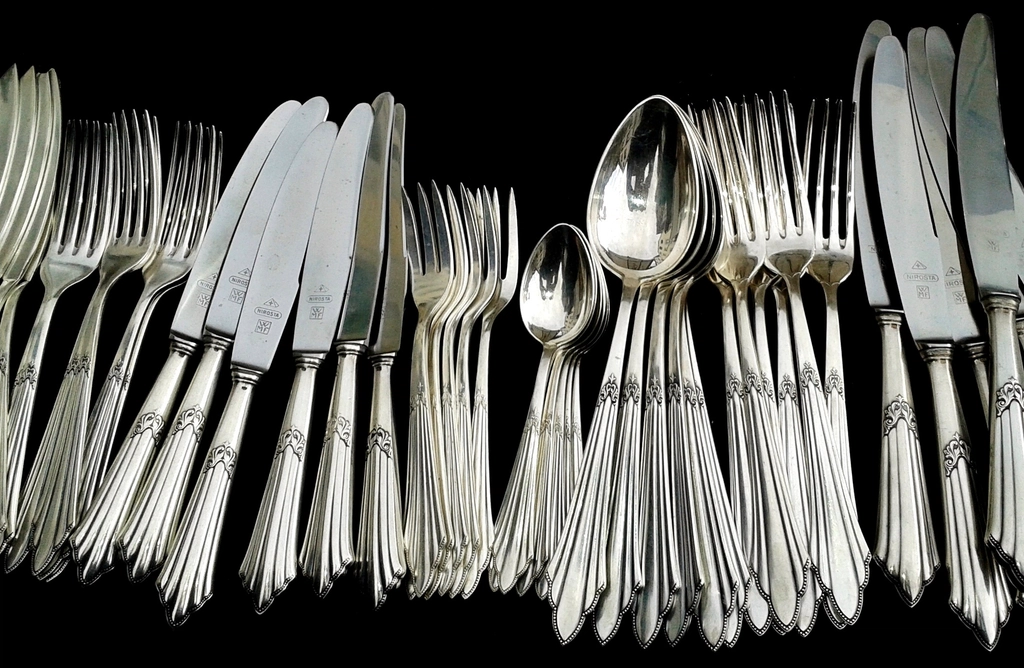
Many of us have a chest of silverware we haven’t used since the last big holiday dinner. If you’re ready to part with it, it may bring in enough to cover a bill or two, depending on what it is. The first step is finding out what you have.
Sterling or silverplate? Check the marks
Turn a spoon over and look on the back of the handle or bowl. A magnifying glass helps.
- Sterling: marked “Sterling,” “925” or “.925.” The FTC says sterling means 92.5% pure silver.
- Coin silver: 90% silver, found on some older American pieces.
- European silver: marks such as 800 or 830 show lower silver content.
- Silverplate: a thin layer of silver over another metal. Look for “EP,” “EPNS,” “A1” or “quadruple plate.”
Silverplate is worth far less than sterling because it holds very little silver. If you’re unsure, a reputable buyer can test it for you.
A note on knives
Many sterling knives have stainless steel blades and handles filled with cement or resin. APMEX, a precious-metals dealer, points out that their total weight is not their silver weight.
Pattern value or silver value?
There are two ways your silverware can be valued.
Silver value, often called melt value, is based only on the silver inside. The rough formula is weight times silver purity times the current silver price. Silver prices change daily, so check a live price site like Kitco on the day you sell. Buyers pay less than the full melt value to cover their costs.
Pattern value is what collectors pay for pieces in a particular pattern. Popular patterns in good condition may sell for more than their silver. Damaged or incomplete sets usually sell for silver value.
Don’t over-polish before selling. APMEX notes it can make collectible pieces less appealing.
Where to sell
Replacements, Ltd.
Replacements buys flatware to help other people complete their sets. You send photos of one piece, front and back, through its online form and get an emailed offer. Offers are valid for 30 days. You pay the shipping, and insuring the package is recommended. It doesn’t buy damaged, repaired or altered items.
eBay
Good for popular patterns or pieces with collector appeal. As of October 2026, eBay’s fee for most categories is 13.6% of the sale up to $7,500, plus 30 or 40 cents per order. Clear photos of the marks help buyers trust your listing.
Local coin shops, jewelers and pawn shops
These pay quickly, but offers are often on the low side. Get quotes from two or three shops before deciding.
Protect yourself
- Get a written offer before you hand over or mail anything.
- Use insured, tracked shipping.
- Be careful with mail-in buyers. The FTC has heard complaints from people who were paid only after their items were melted, leaving them little recourse.
A word on taxes and benefits
Selling your own things for less than you paid usually isn’t taxable, but the IRS says a gain on a personal item is taxable. A loss isn’t deductible. If you start buying silver to resell, that is a business, and benefit rules may apply. For Social Security’s earnings rules, see ssa.gov, and check your own situation.
More on Replace a Bill
- Selling on eBay for the First Time: A Step-by-Step Guide
- Selling Through a Consignment Shop: How It Works and What to Ask
Sources
- FTC Consumer Advice: Buying Platinum, Gold, and Silver Jewelry
- APMEX: How to Sell Silver Flatware
- Replacements, Ltd.: Sell to Us FAQs
- Replacements, Ltd.: Purchasing Guidelines for Selling to Us
- eBay Help: Selling fees
- Kitco: Silver Price Today
- FTC: Testimony on protecting consumers who sell their jewelry
- IRS: Form 1099-K FAQs
- Social Security: Receiving Benefits While Working