Garden and Yard Help for Neighbors: A Down-to-Earth Side Income
Plenty of people love their gardens but can’t keep up with them anymore — a bad knee, a busy job, or simply more yard than time. If you enjoy being outdoors and puttering with plants, offering a few hours of garden and yard help to neighbors can turn that enjoyment into a little steady income.
What kinds of jobs to offer
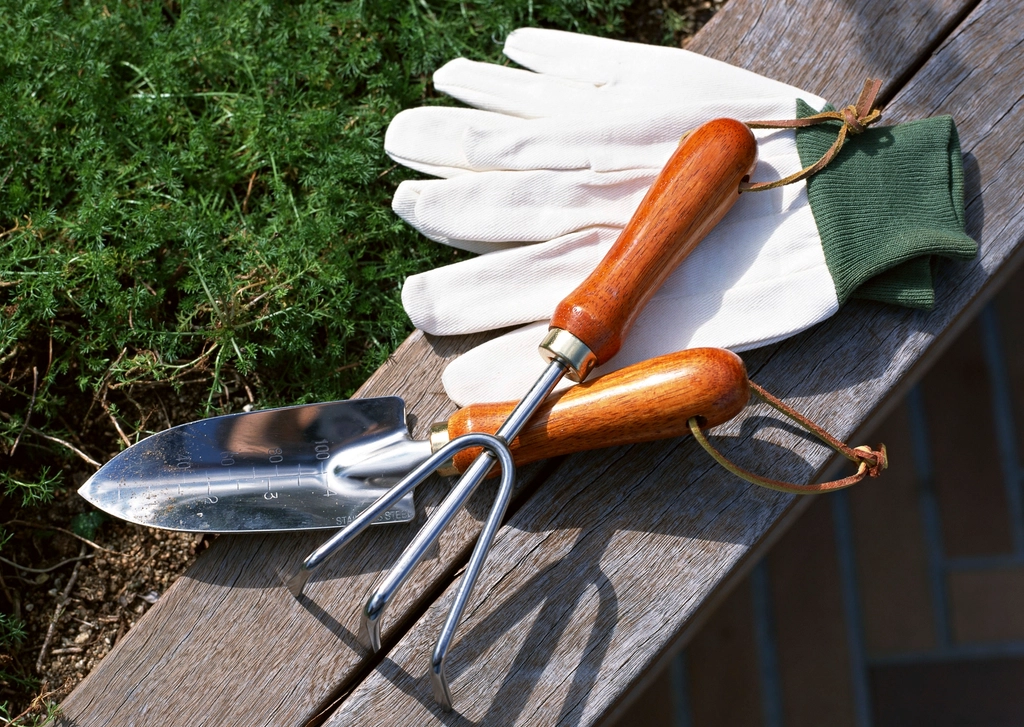
You don’t need a truck full of equipment. Many small jobs need little more than gloves and a few hand tools:
- Pulling weeds from flower beds and walkways
- Watering containers and vegetable beds while owners are away
- Planting flowers or vegetables the owner has already bought
- Spreading bagged mulch
- Light pruning of small shrubs with hand clippers
- Raking and bagging leaves or clippings
- Sweeping patios and tidying beds
It’s perfectly fine to say no to big or risky work, such as tree trimming, chainsaws, ladders or heavy hauling. Pick the jobs that suit your body and your schedule. Lawn mowing is popular too, but it needs a mower and extra care (see the safety notes below).
What professionals charge — and where you might fit
HomeGuide’s gardener cost guide (written in August 2025) lists a single self-employed gardener at about $35 to $65 an hour, and a typical gardening visit at about $75 to $250. It puts basic lawn mowing at about $30 to $65 a visit and weed control at about $50 to $125.
Those are professional prices, usually from people with a business, insurance and their own equipment. As a neighbor offering a few hours of help, you may decide to charge less, especially at first. To settle on a price, look at what others in your area charge on Nextdoor or local listing sites, think about what your time and any supplies are worth, and choose a figure you’d be glad to work for.
By the hour or by the job?
Charging by the hour is simple and fair while you learn how long things take. Once you know a yard, a flat price per visit (for example, “weed the front beds and sweep the walk”) is easier for everyone to plan around. Either way, agree on the price before you start, and settle who pays for plants, mulch and yard bags.
As an illustration only: three hours a week at $20 an hour would come to about $60 a week, which over a month could go a long way toward an internet or phone bill. Your own results will vary with the weather, local demand and what you charge.
Finding your first customers
- Start with people you know: neighbors, friends from church, your walking group or club.
- Post a short, friendly note on Nextdoor or a community bulletin board saying what you do, the area you cover and how to reach you.
- Offer a one-time tidy-up so people can try you out without committing to regular visits.
- Ask happy customers to mention you to their friends. For local work, word of mouth is often the best advertising there is.
Keep the arrangement clear
For regular customers, a short written note helps avoid confusion. Include the jobs you’ll do, how often, the price, how you’ll be paid, and what happens if it rains. Keep a simple record of each visit and payment, too.
Licensing and insurance rules vary by state and city. If you plan to do more than a little casual help, ask your city or county whether you need a business license, and ask an insurance agent whether liability coverage makes sense for you. This is general information only.
Safety first
Yard work is real physical work. Pace yourself, take breaks, drink water, and stop if something hurts. Wear gloves and sturdy shoes, skip ladders and heavy lifting, and let someone know where you’ll be working.
If you mow, the American Academy of Orthopaedic Surgeons recommends:
- Wearing sturdy shoes, long pants, gloves and eye protection — never sandals or bare feet
- Clearing stones, sticks and toys from the lawn before you start
- Turning the motor off before clearing a clog, and using a stick or broom handle, never your hands or feet
- Mowing across slopes, not up and down, with a push mower
- Not mowing wet grass, and never leaving a running mower unattended
A word on taxes and benefits
Money from yard work is income. The IRS says you must file a return if your net self-employment earnings are $400 or more for the year. If you get Social Security before full retirement age, the Social Security Administration counts net self-employment profit toward its yearly earnings limit ($24,480 in 2026). SSI, Medicaid and housing assistance have their own rules too. This is general information only, so check your own situation.
More on Replace a Bill
- Hemming Pants for Neighbors: Starting a Small Alterations Service
- Step 1: List Your Monthly Bills and Pick the First One to Replace
- Step 4: Understand the Taxes on Side Income