Step 5: Set Up a Simple Record-Keeping System
Free download for this step
Google Sheets: click the button, sign in to your free Google account if asked, then click Make a copy. Your copy is private and saved in your own Google Drive. No Google account? Download the Excel file or print the PDF instead.
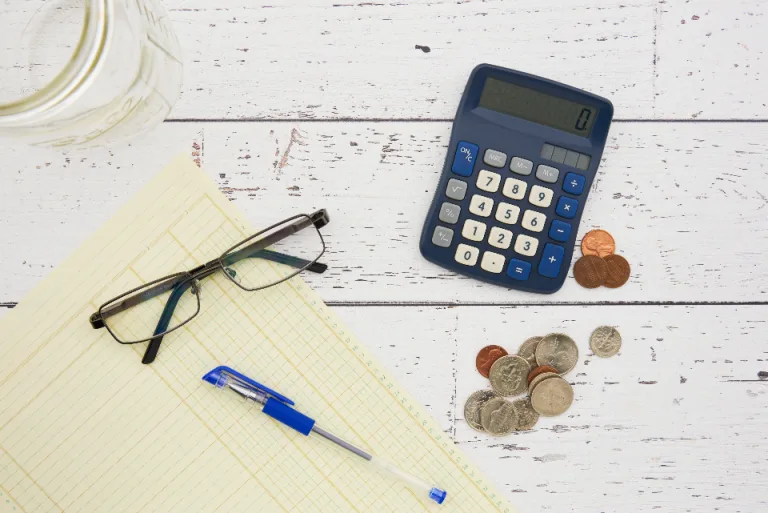
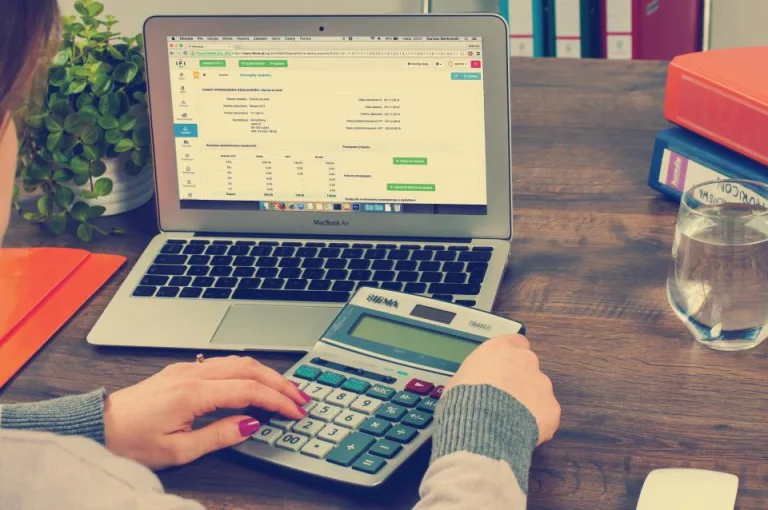
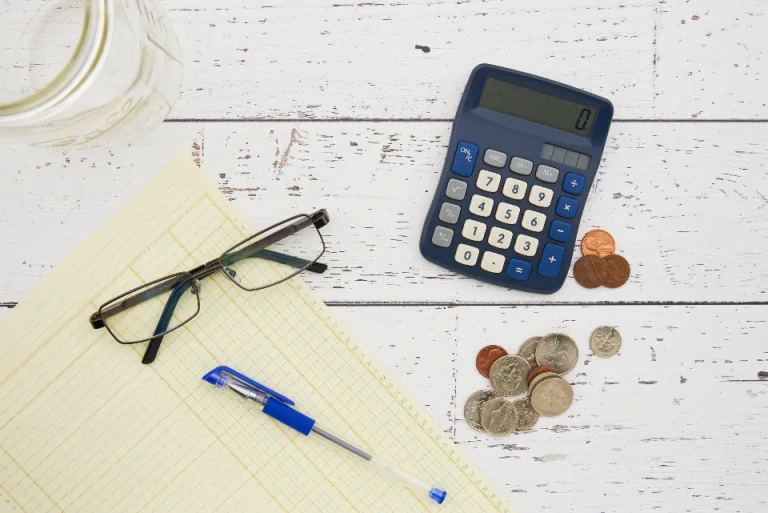
When you start earning a little money on the side, it helps to write things down from day one. You don’t need accounting software or a business degree. A simple, steady habit is enough to answer the two questions that matter most: how much came in, and how much went out?
Good records also make tax time calmer. The IRS says you can use any recordkeeping system that clearly shows your income and expenses, and that electronic records are fine as long as they follow the same basic rules as paper ones.
What to Keep
The IRS groups small-business records into a few types. For a modest side income, two matter most:
- Money coming in. Keep proof of what you were paid, such as bank deposit records, receipts you wrote out, invoices, and any tax forms in the 1099 family that a platform or customer sends you.
- Money going out. Keep receipts, invoices, credit card statements, and bank records for things you bought to earn that income, such as supplies, materials, postage, or fees.
If you buy a larger item you’ll use for years, such as a sewing machine or a power tool, keep the purchase receipt too. The IRS asks for records showing when you bought it and what it cost.
A Simple Three-Part System
- One notebook or one spreadsheet. Make four columns: date, what it was, money in, money out. Write each payment and each purchase on its own line. A paper notebook works just as well as a computer.
- One folder or large envelope. Drop every paper receipt in it the same day. For emailed receipts, make a single email folder (for example, “Side Income 2026”) and move them there.
- One short monthly check-in. Pick a regular day, such as the first of the month, and spend 15 minutes making sure every receipt is written in your notebook. Add up the month’s money in and money out.
That monthly total is also the easiest way to see whether your side income is close to covering the bill you chose.
Some people find it easier to keep side-income money in its own bank account so business and household spending don’t mix. That’s a personal choice, but it can make your monthly check-in much quicker.
How Long to Keep Records
The IRS says to keep records as long as you might need them to prove the income or deductions on a tax return. In many cases that means three years after you file. It can be longer in some situations, for example six years if income you should have reported was left off and it was more than 25% of the gross income shown on your return. Keep copies of your filed returns too.
A Quick Word on Taxes and Benefits
Side income can affect your taxes and, for some people, benefits such as Social Security before full retirement age, SSI, Medicaid, or housing help. Your records make it much easier to answer questions from a tax preparer or an agency. This is general information only, so check your own situation with the IRS and the Social Security Administration.