Selling Old Gold Jewelry: How to Get a Fair Offer
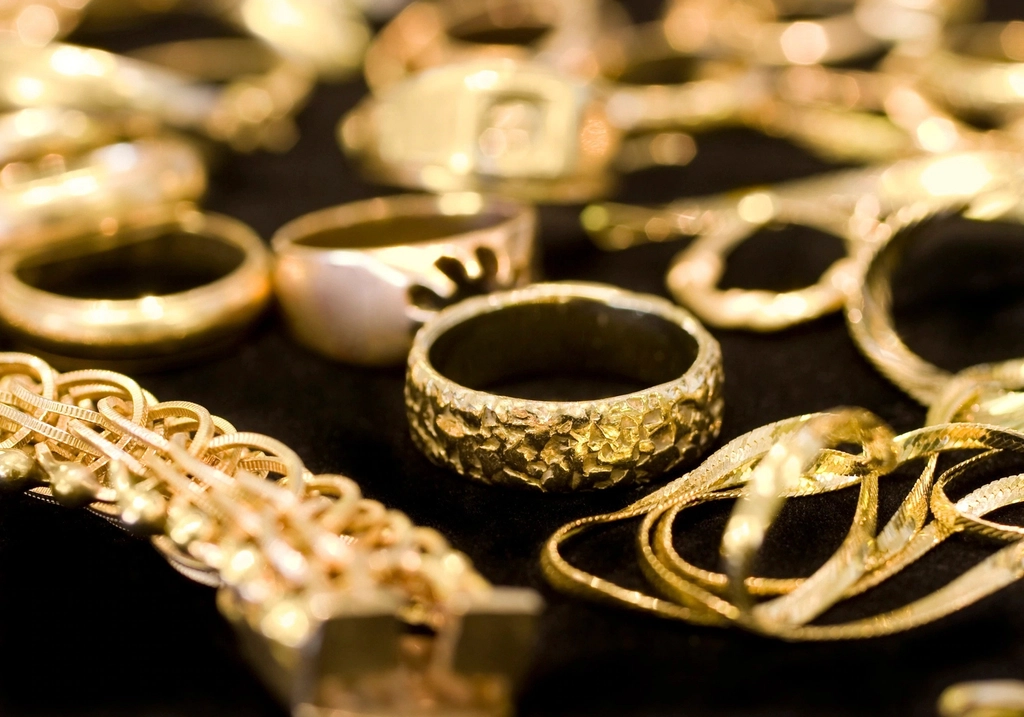
Many of us have a little dish or box of gold that never gets worn: a broken chain, a single earring, an old class ring. Turned into cash, it could pay a month or two of a bill, such as your electric bill, or give your side-income plan a head start. How much depends entirely on what you have and today’s gold price.
Here’s how to sell it without being rushed into a low offer.
Step 1: Look for the marks
Most gold jewelry is stamped with a small mark, often inside a ring or near a clasp. A magnifying glass helps.
- Karat marks tell you how much of the piece is pure gold. 24K is pure gold. The Federal Trade Commission explains that 18K is 18 parts gold out of 24, and 14K is 14 parts out of 24. That works out to 75% and about 58% gold. 10K is about 42%.
- 925 or “Sterling” means sterling silver, which is 92.5% silver.
- GP or GF usually means gold-plated or gold-filled, worth far less than solid gold.
Step 2: Sort and know the price
Put pieces with the same mark together. The Better Business Bureau advises not letting a buyer weigh different karats together, since 18K is worth more than 10K.
Before you go, check the day’s gold price on a site such as Kitco’s live gold chart. Buyers pay by weight and only for the gold inside. Some also take off a refining charge, so expect an offer below the full value of the metal.
Step 3: Don’t melt a treasure
An antique, signed or unusual piece may be worth more as jewelry than as scrap. The BBB suggests getting a professional appraisal, especially for pieces with diamonds or vintage items. Ask the appraiser up front what they charge.
Step 4: Get several offers
The BBB recommends getting four or five estimates, starting with local buyers such as jewelers and coin shops.
- Watch them weigh your pieces, and ask what they’re paying per gram for each karat.
- Ask how they arrived at the number.
- Treat pressure to decide on the spot as a red flag. A fair buyer will let you walk away and think.
If you try a mail-in buyer, the BBB suggests photographing and listing everything first, insuring the package and finding out how long you have to accept or turn down the offer.
A word on taxes and safety
The IRS treats personal belongings as capital assets. Selling for more than you paid can create a taxable gain, and gold can count as a collectible taxed at up to 28%. Losses on personal items aren’t deductible. See IRS Topic 409 or ask a tax professional about your situation. Large one-time amounts can also matter if you receive SSI or Medicaid, so check those rules first. The SSA’s SSI pages and Medicaid.gov are good starting points.
Carry jewelry discreetly, sell during business hours and go straight home or to the bank afterward.
More on Replace a Bill
- Selling Old Silverware: Sterling or Silverplate, and Where to Sell It
- Estate Sale Company or Do It Yourself? A Downsizing Guide