
Laundry and Ironing for Neighbors: A Quiet, Steady Side Income
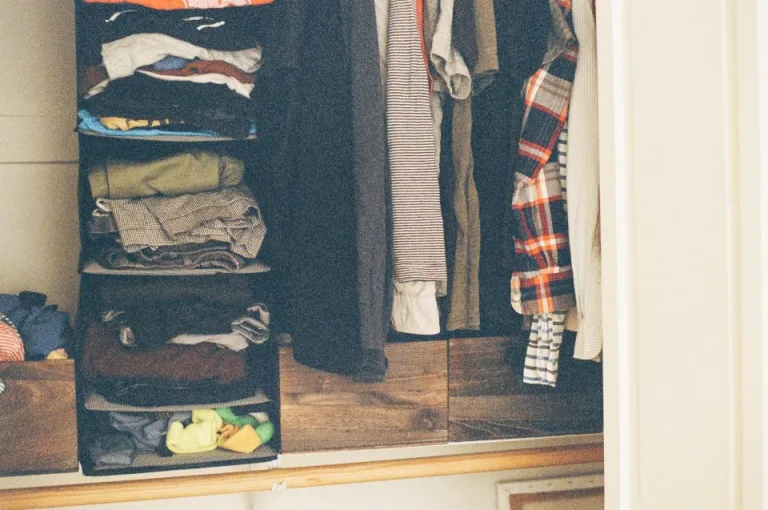
Not everyone has the time, energy, or patience for laundry and ironing. A busy working neighbor, a new parent, or an older person who finds the stairs hard may be glad to hand it over. If you are good at getting clothes clean and crisp, doing laundry and ironing for neighbors can be a quiet, steady way to earn a little. A few regular customers might help cover a bill such as a $15 streaming plan, though results vary. This guide explains what is involved, how to price it, how to find customers, and how to stay safe.
What the Service Looks Like
There are two common ways to offer this service. You can work in the customer’s home, using their washer, dryer, and iron. Or you can pick up the laundry, do it at your own home, and bring it back. Many people start with ironing only, since it needs no washer or dryer at all.
Common jobs include:
- Washing, drying, and folding everyday clothes
- Ironing dress shirts, slacks, tablecloths, and linens
- Washing bedding and towels
- Ironing for a special event, such as a holiday gathering
You do not need special equipment to begin. A good iron, an ironing board, hangers, and a clean, quiet space are enough for ironing.
What Might You Charge?
There is no official price list for neighborly laundry help, so pricing takes a little homework. For a rough idea of what the work is worth, the U.S. Bureau of Labor Statistics reports that laundry and dry-cleaning workers had a median wage of $14.93 per hour in May 2023, with the lowest-paid tenth earning about $11.38 and the highest-paid tenth about $18.71. Those are employee wages at businesses, not what a neighbor might charge, and they are several years old. Wages vary by area.
Here are three simple ways to set a price:
- Per hour. Easy to explain, and good for work at the customer’s home.
- Per load. Often used when you take the laundry to your own home. Include the cost of detergent, water, and electricity.
- Per item. Often used for ironing, such as a set price per shirt.
To check what is fair, call a local dry cleaner and ask what they charge for a shirt. Then you can decide whether to charge a little less for convenience or a little more for personal care. Write your prices down so you can quote them confidently.
Count Your Costs
If you use your own washer, you pay for detergent, softener, water, and electricity. Keep a simple list of what you spend. If you earn regular income, those costs may be deductible, and the IRS has rules about that. A tax professional can explain which costs count.
Finding Your First Customers
Start with people who already know you. Tell neighbors, friends, and members of your church or community group that you are taking on a few laundry and ironing clients. Post a short note on a community bulletin board or on Nextdoor. Our guide to finding your first local customers covers how to do this step by step.
A friendly, plain message works best, for example: “I offer ironing and laundry help for neighbors. I am careful and reliable. Please call me to talk about what you need.”
Begin with one or two customers. That keeps the work manageable while you learn what you enjoy.
Do It Carefully
Good service builds trust, and trust brings referrals. Keep these habits:
- Check care labels before you wash or iron. If you are unsure, ask the customer first.
- Check pockets for tissues, pens, and money.
- Treat stains gently. Do not put a stained item in the dryer, since heat can set the stain.
- Keep each customer’s laundry separate and labeled.
- Tell the customer right away if something is damaged. Honesty protects your reputation.
Delicate items such as wool, silk, or items marked “dry clean only” are best left to professionals. It is fine to politely say no.
Put the Details in Writing
A short, friendly agreement helps both sides. It can list what you will do, your prices, when you will return the laundry, and what happens if an item is damaged. Our simple one-page agreement guide shows how to write one. Rules and expectations vary by state and city, and this is general information, not legal advice.
Safety Notes
Laundry looks gentle, but it has a few risks.
- Irons get very hot. Never leave one on and unattended, and unplug it when you are done. Keep cords out of walkways.
- Lifting wet laundry baskets can strain your back. Carry smaller loads, bend your knees, and use a cart if you need one.
- Lint builds up in dryers and can start a fire. Clean the lint trap after every load.
- In a customer’s home, let someone know where you are and when you expect to finish, especially if you are alone with a customer you do not know well.
- Meet new customers first in a public place, or bring a friend along to the first visit.
Taxes and Benefits
Money you earn from laundry and ironing counts as income. The IRS says self-employed people generally owe self-employment tax (15.3%) and must file Schedule SE once net earnings reach $400. If you receive Social Security and are younger than full retirement age, the 2026 earnings limit is $24,480 a year before benefits may be reduced by $1 for every $2 above it. SSI, Medicaid, and housing assistance have their own rules. This is general information. Please check your own situation with the official sources below or a tax professional before you start.
The Holiday Season
Linens and nice clothes often matter more around the holidays. Tablecloths and cloth napkins get used for gatherings, and guests may stay overnight and need fresh bedding. Offering to wash and press table linens before Thanksgiving or Christmas can be a friendly way to meet new customers. Mention it a couple of weeks ahead, since people plan early, and keep your schedule light enough that you are never rushed.
Insurance and Trust
Ask your insurance agent whether your homeowner or renter policy covers a small business. Many do not cover business activity. If a customer’s item is damaged, you may be asked to pay for it. Some people choose to buy a small business policy. Whatever you decide, start small and keep good records.
A Simple Starting Plan
- Decide which jobs you want to do, such as ironing only.
- Call one dry cleaner to learn local prices.
- Set your prices and write them down.
- Tell three people you know.
- Do your first job carefully and ask the customer how it went.
That is enough to find out whether this work suits you.
More on Replace a Bill
- Light Housekeeping for Neighbors: A Practical Guide to Cleaning for Pay
- Hemming Pants for Neighbors: Starting a Small Alterations Service
- A Simple One-Page Agreement for Your Neighborhood Service