Making and Selling Homemade Dog Treats: State Rules, Labels and Safe Ingredients
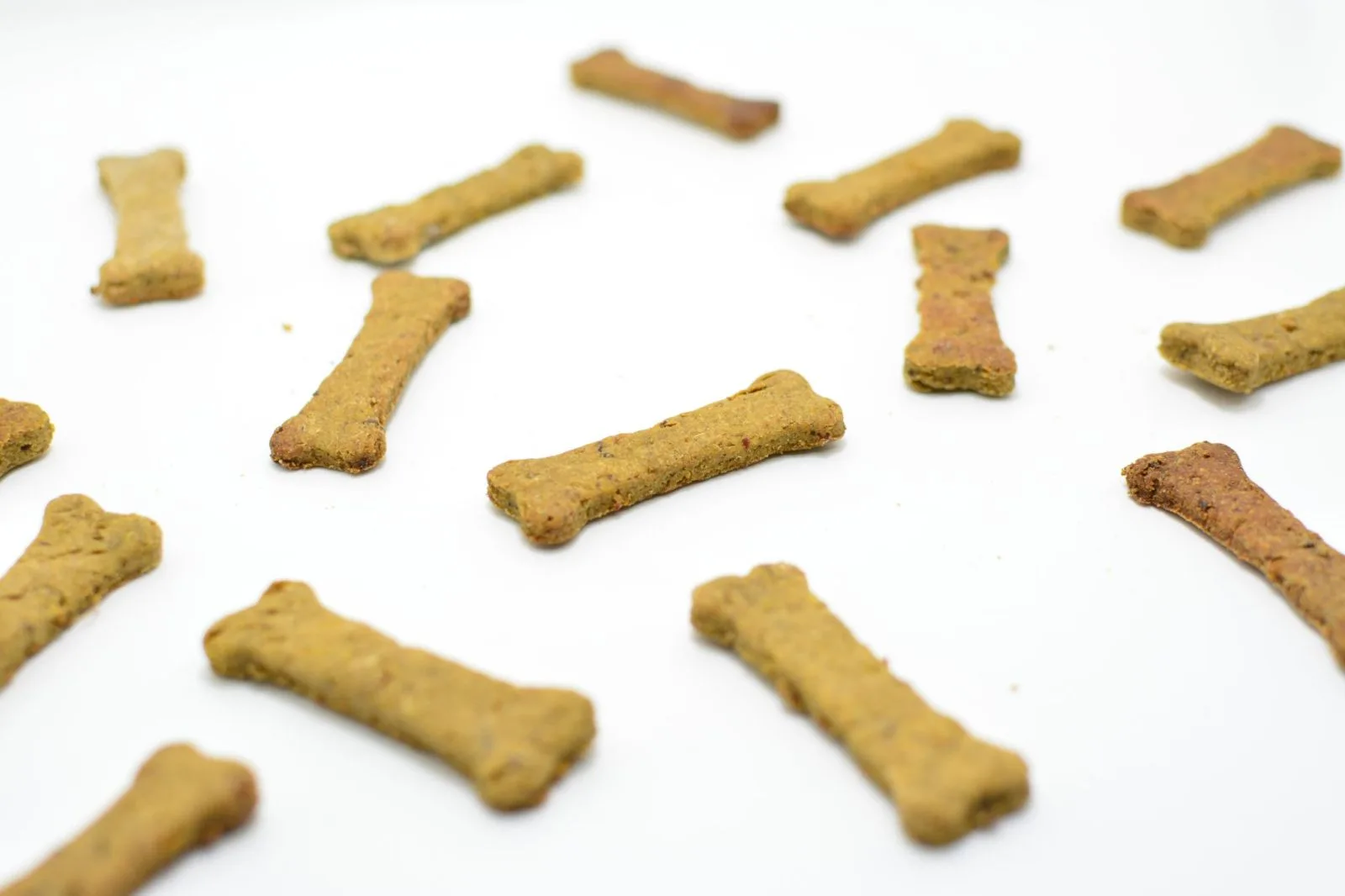
Many of us have a dog or a neighbor with one. A batch of simple, homemade dog biscuits can make a nice holiday gift, and for some bakers it grows into a small side income. Sold steadily, it might help cover a $15 streaming plan, though results vary and nothing here is a promise.
One thing surprises people: pet treats follow different rules than treats for people. Here is what to know before you sell your first bag.
Pet treats are regulated by your state
AAFCO is a non-profit group that sets standards for animal feed and pet food. It does not approve, test or certify products, and it has no legal power to regulate them. The state feed control office does that, and each state words its rules a little differently. AAFCO suggests reading its guidance on ingredients, labeling and licensing, then checking the rules for each state where you plan to sell.
Two examples show how much states can differ. In Indiana, everyone who sells pet treats needs a feed license, which was $50 a year, plus $50 per product for packages of 10 pounds or less. In Colorado, a company registers for $75 a year, and each label costs $25 a year. Both states allow home kitchens. These figures are from state pages read in November 2026, and they may change, so call or visit your own state’s feed program.
What goes on the label
The two states ask for much the same core information. Plan on these items, and confirm your state’s exact format:
- Product name and the animal it is for, such as “dog”.
- A statement that it is a treat or snack, or for occasional feeding.
- A guaranteed analysis: minimum protein and fat, maximum fiber and moisture.
- Ingredients, listed by weight from most to least.
- Your name and full address, and the net weight.
Skip health claims such as “cures arthritis.” Colorado also notes that words like “organic” and “human-grade” have strict requirements, so leave them off unless you meet them.
Choose safe ingredients
Safe for people does not mean safe for pets. Purdue’s state chemist office warns about chocolate, onions, grapes and raisins, coffee and garlic. Plain ingredients such as oats, pumpkin and peanut butter are common starting points, but check each one, including any sweetener, with your veterinarian.
Pricing and where to sell
Add up ingredients, bags, labels and your yearly state fees, then divide by the bags you expect to sell. Here is a simple example with made-up numbers: if a bag costs $3 to make and sells for $8, you keep about $5, so you would sell three bags to cover a $15 plan, before fees and taxes. Our guide on pricing handmade goods walks through this. Holiday markets, craft fairs and neighbors are good places to start.
Taxes and benefits
Money from selling treats is income. See the IRS page on self-employed individuals for the basics. For some people, side income can also affect Social Security or other benefits, so check your own situation at ssa.gov.
Baking is hot work. Use oven mitts, keep your kitchen floor clear and wash your hands and counters carefully.
More on Replace a Bill
- Selling Home-Baked Goods: What to Know About Cottage Food Laws
- Pricing Your Handmade Crafts So Your Time and Materials Are Covered
- Selling Extra Garden Vegetables at a Farmers Market