Sewing Pot Holders, Tote Bags and Aprons for Holiday Markets: A Gentle Guide
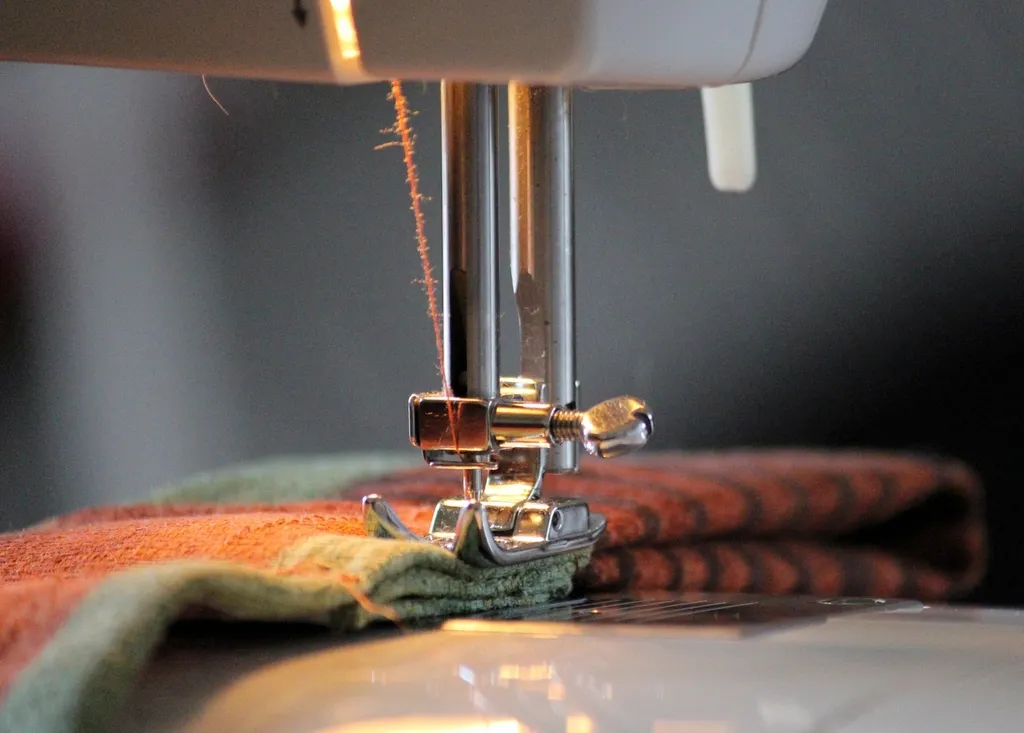
Sewing is a hobby many of us learned young and never put down. A simple pot holder, a sturdy tote bag or a cheerful apron makes a welcome gift, and holiday markets are full of people looking for exactly that. This guide walks through how to turn a few evenings at the sewing machine into a small, steady side income that might help cover a bill, such as a $15 monthly streaming plan. Results vary a great deal, so treat every number here as an example rather than a promise.
Why simple sewn items sell
Shoppers at craft fairs and church bazaars often want something useful, made locally and priced fairly. Small sewn goods fit that. They use modest amounts of fabric, they are quick to repeat once you have a pattern, and they are easy to pack into a box and carry to a table.
Good starter items include pot holders and oven mitts, kitchen towels with a sewn-on trim, tote bags, aprons, fabric bookmarks and zippered pouches. Stay with items you can make well, the same way each time. Neat seams matter more than fancy designs.
Start with a small test batch
Before you buy a lot of fabric, make five or six of one item and show them to friends, family and neighbors. Ask what they would pay. Then make a few of a second item. This keeps your costs low while you learn what people actually like.
Cotton fabric from your own stash, or from a yard sale or fabric remnant bin, can keep early costs down. Wash and press new fabric first so it does not shrink or bleed color on a buyer.
Pricing so your time and materials are covered
Many crafters price only the fabric and forget their own time. A simple way to check yourself is to add three things: what the materials cost, a small amount for supplies like thread and batting, and a fair hourly wage for the time you spent. Then add the fees of wherever you sell.
Here is an example with made-up numbers, only to show the idea. If one tote bag uses $4 of fabric and $1 of thread and straps, and takes you 45 minutes, your cost is $5 plus your time. If you pay yourself $10 an hour, that is another $7.50, so the bag needs to bring in about $12.50 before fees. Your own numbers will differ.
We cover this more fully in our pricing guide. If a fair price feels too high for your local market, make a smaller or simpler item, or sell in a place where shoppers expect to pay for handmade work.
Where to sell
Craft fairs and holiday markets
Many holiday fairs take table applications in the fall. Ask the organizer about table fees, whether you need your own table and cloth, and whether you must bring a card reader. Our craft fair plan has a checklist for your first table.
Local shops
Some small gift shops take handmade goods on consignment. Ask what share the shop keeps and how you will be paid. Always keep a written list of what you left.
Etsy
Etsy lets you sell from home, but it has fees. According to Etsy’s fee page (last updated October 5, 2026), US sellers pay $0.20 per listing, which lasts four months, and a 6.5% transaction fee on the item price plus shipping. Etsy Payments adds a processing fee of 3% plus $0.25 per order, according to its payments policy (last updated July 31, 2026). Etsy’s Offsite Ads fee can also apply, but only on orders that come through those ads.
So a $20 sale can cost you a few dollars in fees before shipping. Build that into the price. Our guide to opening a small Etsy shop goes through the setup step by step.
Labels: what to know before you sell
Federal labeling rules can apply to sewn goods, and they are easy to overlook. The Federal Trade Commission’s guide to textile labeling explains that many clothing and household textile items need a label showing the fiber content, the country of origin and who made or sold the item. The same guide lists some items that are not covered, including hot pads, oven mitts and tote bags. Aprons and some other items were not in the part of the guide we read, so please check the FTC guide or call the FTC before you sell them.
Rules and exemptions can change, and they may depend on what you make. If you are unsure, ask the FTC directly or ask a local small business center.
If you sew for children
Children’s products are different. The Consumer Product Safety Commission says children’s products need a Children’s Product Certificate, and some need testing at an approved lab. Its small batch manufacturer program offers some relief to small makers, but you must qualify and register each year, and some rules, such as tracking labels, apply either way. For sleepwear and baby items, the rules are stricter still.
The simplest path for a beginner is to start with adult items such as pot holders, aprons and tote bags, and learn the children’s rules before you add baby bibs, blankets or clothing.
A few safety and practical notes
- Sit with good light and take breaks. Hand and shoulder strain build up slowly.
- Keep pins and rotary cutters in a safe place, especially if grandchildren visit.
- Use heat-safe batting in pot holders and oven mitts, and say what the fabric is on your tag.
- Never make safety claims, such as “fireproof,” that you cannot back up.
Side income, taxes and benefits
Money you earn from sewing can count as income for tax purposes, and for some people it may affect benefits such as Social Security before full retirement age, SSI, Medicaid or housing assistance. This is general information only. Keep simple records of what you spend and earn, read the IRS page on how it treats a hobby, and check your own situation with the official sources below or a tax preparer.
A simple plan to try
- Pick one item and make a test batch of five or six.
- Work out your cost, including a fair wage for your time, and add fees.
- Check the FTC labeling guide for that item.
- Sell at one nearby fair or through one local shop first.
- Write down what you earned and what you spent, and decide whether to keep going.
A small sewing income may take a season or two to build. If it covers even part of a monthly bill, that is a good start, and you can grow from there at your own pace.
More on Replace a Bill
- Pricing Your Handmade Crafts So Your Time and Materials Are Covered
- Selling Your Handmade Crafts at Holiday Craft Fairs: A Simple Plan
- Opening a Small Etsy Shop for Your Knitting and Crafts
Sources
- Federal Trade Commission: Threading Your Way Through the Labeling Requirements Under the Textile and Wool Acts
- U.S. Consumer Product Safety Commission: Small Batch Manufacturers
- Etsy: Fees and Payments Policy (last updated October 5, 2026)
- Etsy: Etsy Payments Policy (last updated July 31, 2026)
- IRS: Topic No. 420, Hobby or business?
- Social Security Administration: Receiving benefits while working