Opening a Small Etsy Shop for Your Knitting and Crafts
If you knit, crochet, quilt or make other crafts, Etsy, a big online marketplace for handmade and vintage goods, is one place where your finished pieces can find buyers.
This guide walks through how an Etsy shop works, what it costs, and how to set prices so your yarn, fabric and time are covered. It is not a fast way to make money. But for a steady maker, a few sales a month might cover a small bill, such as a $15 streaming plan. That is an estimate, not a promise; results vary a lot from shop to shop.
What you can sell on Etsy
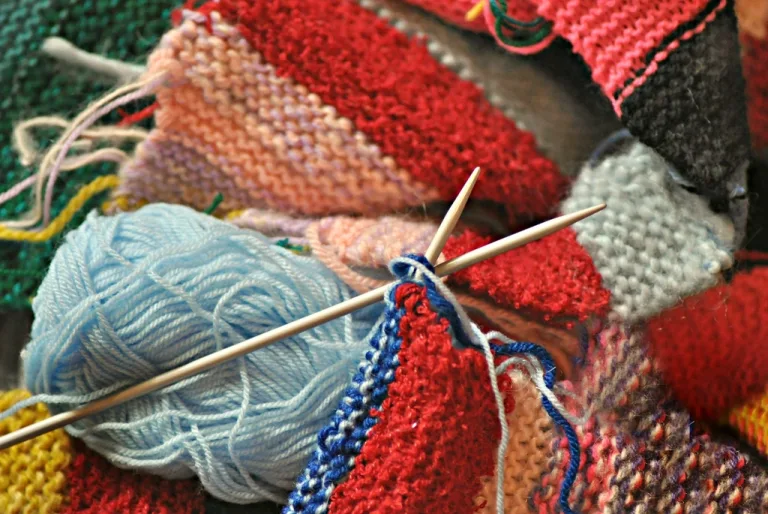
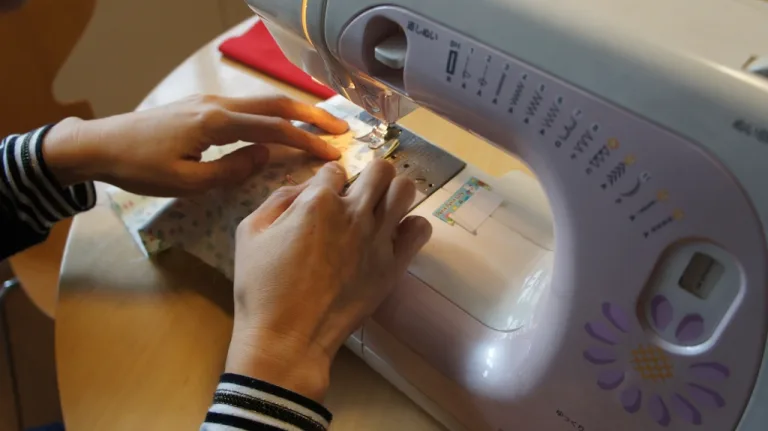
Etsy has rules about what counts as homemade. Items you make yourself by hand, or with your own tools, fit its “made by a seller” category. That includes knitted hats, quilted table runners, crocheted toys and similar pieces.
Things you simply buy and resell, or plain items you barely change, do not qualify. If someone else produces a design for you, Etsy requires you to say so in the listing.
What it costs (as of October 2026)
Etsy charges several small fees. These are the main ones for sellers in the United States, taken from Etsy’s own fee pages:
- Listing fee: $0.20 for each item you list. A listing lasts four months or until it sells.
- Transaction fee: 6.5% of the price, plus 6.5% of any shipping or gift wrap you charge.
- Payment processing fee: 3% plus $0.25 for each order paid through Etsy.
- Shop setup fee: some new sellers are asked for a one-time fee. Etsy shows the amount before you finish setting up.
- Offsite Ads: if Etsy advertises your item on other websites and a sale comes from that ad, you pay an extra fee (15% for most small shops). Shops with under $10,000 in yearly sales can opt out.
Here is a simple example. Say you sell a scarf for $40 and charge $6 for shipping. The transaction fee would be about $2.99, the processing fee about $1.63, and the listing fee $0.20. That is roughly $4.82 in fees, before you pay for postage and packaging. Fees change from time to time, so check Etsy’s fee page before you set your prices.
Setting a price that covers your yarn and your time
Many crafters charge only what the materials cost. That leaves nothing for their hours. A common pricing approach, explained by the craft-business software company Craftybase, works like this:
- Add up your materials. Example: two skeins of yarn and a button.
- Add your labor. Multiply the hours an item takes by an hourly rate you choose.
- Add a little for overhead, such as needles, tags, tissue paper and your share of Etsy’s listing fees.
- That total is your base cost. For retail, many makers multiply it by about 2 to 3.
- Then make sure Etsy’s percentage fees and your shipping costs are covered on top.
The number may look high at first. If an item can’t be priced to cover your costs, it may be better as a gift than a product. Quicker pieces, such as dishcloths or ornaments, are often easier to price than a large quilt.
Opening your shop, step by step
Etsy lays out the setup in a few short steps on its “Sell on Etsy” page.
- Go to etsy.com/sell and choose to get started. Create an Etsy account with your email address and a password, if you don’t have one.
- Set your shop’s location and currency (US dollars).
- Pick a shop name. Something simple that hints at what you make is fine.
- Create your first listing: add clear photos, a title, a description, a price and how much it costs to ship.
- Set up how you will be paid. Etsy deposits your sales money into your bank account.
- Set up how you will pay Etsy’s fees, usually with a card on file.
Etsy asks new shops to turn on two-factor authentication (2FA). That means you type a short code, sent by text, phone call or an app, when you sign in from a new device. To check it, choose your profile picture, then Account settings, then Security. Write down the backup codes Etsy shows you and keep them somewhere safe at home.
Watch out for buyer scams
The Federal Trade Commission warns about a common trick aimed at online sellers: a “buyer” sends a check for more than your price and asks you to send back the difference. The check is fake, and the bank may make you repay the money weeks later.
- Keep the sale and the payment inside Etsy. Don’t accept checks, wire transfers or gift cards from buyers.
- Never send money back to a buyer for an “overpayment.”
- Etsy says its support team will never ask for your account or personal information by message, email or social media, and its security texts don’t contain links. If a message claims your account is in trouble, open the Etsy app or type etsy.com yourself instead of clicking.
- If you are tricked, report it at ReportFraud.ftc.gov.
Taxes and benefits
Money from your shop counts as income, even if it is small. The IRS says you generally need to file a tax return if your net earnings from self-employment are $400 or more, and you must report income whether or not you get a Form 1099-K. Keep a simple record of sales, fees and material costs, since your costs reduce the profit you are taxed on.
Side income can also affect some benefits. If you are under full retirement age and receiving Social Security, the retirement earnings test can reduce payments once net earnings pass a yearly limit ($24,480 in 2026, according to the Social Security Administration). Earnings can also matter for SSI, Medicaid and housing assistance. Rules vary, so check your own situation with the agency that pays your benefit.
More on Replace a Bill
- Selling Houseplant Babies: A Small Income From Cuttings and Offsets
- Teaching Music Lessons From Home: Turning a Lifelong Skill Into Income
- Step 4: Understand the Taxes on Side Income
Sources
- Etsy: Fees & Payments Policy
- Etsy: Etsy Payments Policy
- Etsy: Sell on Etsy
- Etsy: Creativity Standards
- Etsy Help: How to Make Your Account More Secure
- Craftybase: How to Price Handmade Items
- FTC: How to Spot, Avoid, and Report Fake Check Scams
- IRS: Self-Employed Individuals Tax Center
- IRS: Understanding Your Form 1099-K
- SSA: Receiving Benefits While Working