Teaching Music Lessons From Home: Turning a Lifelong Skill Into Income
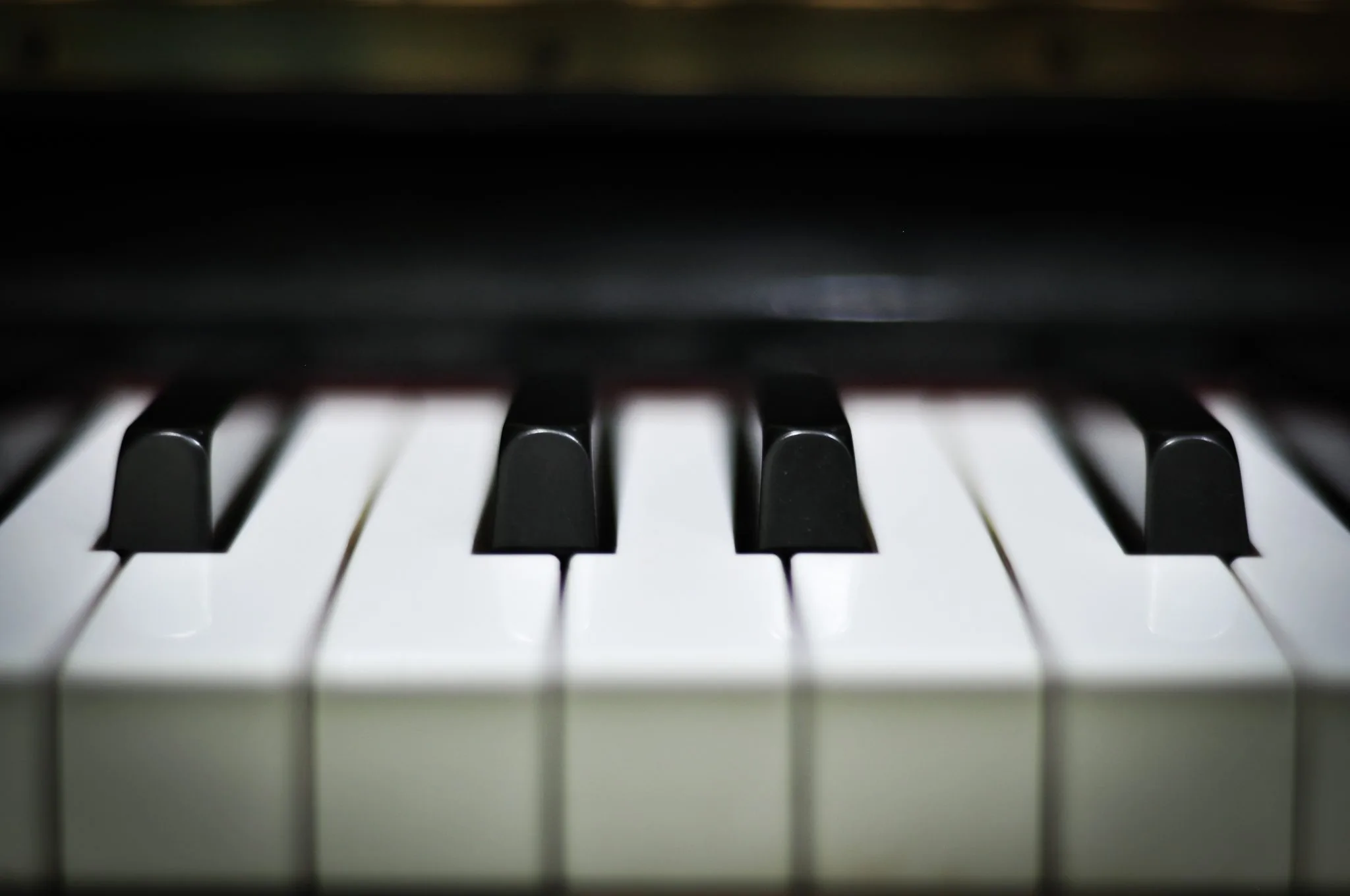
If you’ve played the piano, guitar or another instrument for years, you have something many people would love to learn. Teaching beginners — children, busy adults, or fellow retirees who always meant to take up an instrument — can be a gentle, sociable way to earn money without leaving home.
Do you need to be a professional?
Not to teach beginners. What matters most is that you play well enough to show good habits, that you’re patient, and that you can explain things simply. Be honest about your level. “Lessons for beginners and early-intermediate players” is a perfectly good offer, and plenty of adult beginners are glad to find a teacher who is relaxed and unhurried.
What music lessons cost
Ensemble Schools’ 2026 guide to piano lesson prices (last updated in March 2026) puts the U.S. average for private lessons at about $47 for 30 minutes, $70 for 45 minutes and $87 for an hour, based on a range of music schools. It notes that lessons in the student’s home tend to cost about 10% to 20% more than online or in-studio lessons, and that big cities usually charge more.
A music school with recitals and a professional faculty is a different offer from a retiree teaching in the living room, so many home teachers start below those averages. Find out what teachers near you charge, then choose a price that feels fair to you and your students.
Here’s some example math, not a promise: two students taking a weekly half-hour lesson at $30 each would bring in about $240 over a four-week month. That might cover a phone bill with room to spare. Students come and go, so your own results will vary.
Setting up your lessons
- Decide what you’ll teach. Which instrument, which ages and which levels.
- Choose lesson lengths. The Ensemble Schools guide suggests young children often do well with 30 minutes, while adults are better served by at least 45.
- Set a regular schedule. The same day and time each week helps students make progress — and helps you plan.
- Write down simple policies. Your price, how you’ll be paid, how much notice you need to cancel, and what happens with a missed lesson.
- Pick beginner books. Have a method book in mind, or tell students which one to buy before the first lesson.
Finding your first students
- Let friends, neighbors and your place of worship know you’re teaching.
- Post a short note on Nextdoor or on bulletin boards at the library or senior center, if they allow it.
- Offer a short first lesson at a reduced price so new students can see if you’re a good fit.
- Ask happy students and parents to pass your name along.
Comfort and safety
If you teach children, families will usually feel more at ease — and so will you — if a parent stays in the home during the lesson, or if you teach in an open room. Talk with parents about scheduling and progress rather than arranging things directly with the child. Some families may ask about a background check, so be ready to discuss it.
For adult students, a lesson at a regular time each week can be as much a social highlight as a musical one, so it’s worth keeping things warm and unhurried. Celebrate small wins, like a first complete song, and adjust the pace to suit each person.
Look after yourself, too. Sit with good support, take breaks between back-to-back lessons, and don’t try to move a piano or heavy amplifier on your own. If you travel to students’ homes, let someone know your schedule.
A word on taxes and benefits
Lesson fees are income. The IRS says you must file a return if your net self-employment earnings are $400 or more for the year. If you get Social Security before full retirement age, the Social Security Administration counts net self-employment profit toward its yearly earnings limit ($24,480 in 2026). SSI, Medicaid and housing assistance have their own rules. This is general information only, so check your own situation.
More on Replace a Bill
- Selling Home-Baked Goods: What to Know About Cottage Food Laws
- Step 4: Understand the Taxes on Side Income