Selling Your Handmade Goods in Local Shops: Consignment or Wholesale?
Gift shops, boutiques, garden centers and coffee shops often like to carry things made by local people. If you make soap, candles, jewelry, knitted hats or quilted potholders, a shelf in a nearby store can sell your work while you stay home. Shops usually take handmade items in one of two ways: consignment or wholesale.
Consignment: you’re paid when it sells
With consignment, you leave your items in the shop. When something sells, the shop keeps a share and pays you the rest. According to a guide from MadeUrban, a resource for makers, handmade sellers typically receive about 60% of the sale and the shop keeps 40%. Some shops pay only 30 to 40%, so always ask.
- Good for: getting into a shop that won’t buy up front, and testing which items sell.
- Watch out for: you’re paid only when things sell, unsold items may come back worn or out of season, and the loss is yours if they don’t sell.
Wholesale: the shop buys from you
With wholesale, the shop buys your items outright and resells them. MadeUrban notes that shops usually expect to pay about half of the retail price, so they can mark it back up.
- Good for: steadier income, and the shop carries the risk of damage, theft or slow sales.
- Watch out for: you must deliver on time, often months before a season, and the shop decides how your items are shown.
A quick example
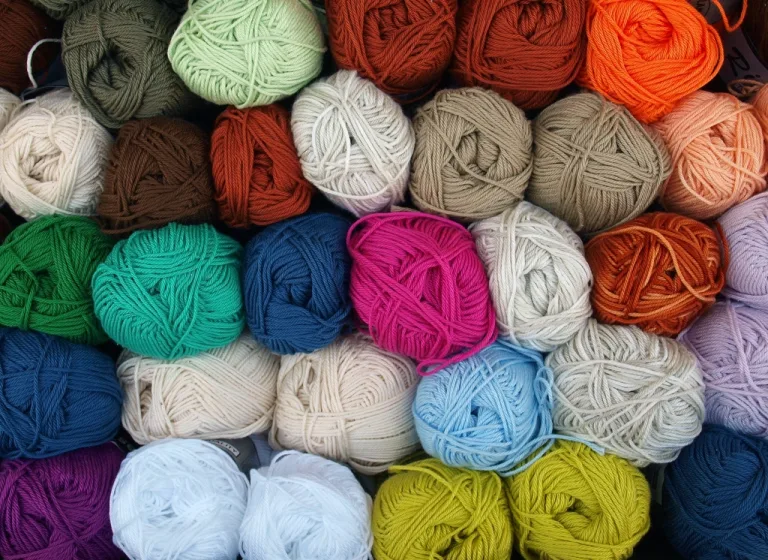
Say your knitted hats sell for $30 in a shop. On consignment at a 60/40 split, you would get $18 for each hat sold. At wholesale, the shop would likely pay about $15 per hat, but you’d be paid up front. Either way, make sure the price covers your yarn and your time.
If five hats sold each month on consignment, that would bring in about $90, which could cover a basic phone bill for some people. That’s only an example. Sales can vary a lot from month to month.
Questions to ask before you hand anything over
- What is the split, or the wholesale price, and when do you pay me?
- Who is responsible if an item is lost, stolen or damaged in the store?
- How long will my items stay before I pick up what hasn’t sold?
- Can we put this in writing?
Keep your own list of what you dropped off, with dates and prices, and update it each time you are paid. MadeUrban advises not relying on the store’s records alone.
Sales tax, income tax and benefits
Sales tax rules depend on your state and on who makes the sale. Our sister site Garage Business Blueprint explains seller’s permits and sales tax for craft sellers in more depth.
Shop sales also count as self-employment income for income tax. If you get Social Security before full retirement age, or SSI, Medicaid or housing help, extra income can affect those benefits as well. Rules vary, so check your own situation with the official sources below.
More on Replace a Bill
- Pricing Your Handmade Crafts So Your Time and Materials Are Covered
- Opening a Small Etsy Shop for Your Knitting and Crafts
- Selling Through a Consignment Shop: How It Works and What to Ask