Selling Houseplant Babies: A Small Income From Cuttings and Offsets
A windowsill full of healthy houseplants can double as a little stock to sell. Many common houseplants are easy to multiply at home, and new plant owners are often happy to buy a young one from a neighbor.
Plants that are easy to multiply
Iowa State University Extension’s guide to propagating houseplants sorts plants by method. A few familiar examples:
- Stem cuttings: pothos, heartleaf philodendron, tradescantia, coleus and hoya
- Leaf cuttings: snake plant, peperomia, African violet and jade plant
- Division (gently splitting one plant into several): peace lily, prayer plant, cast iron plant and aloe
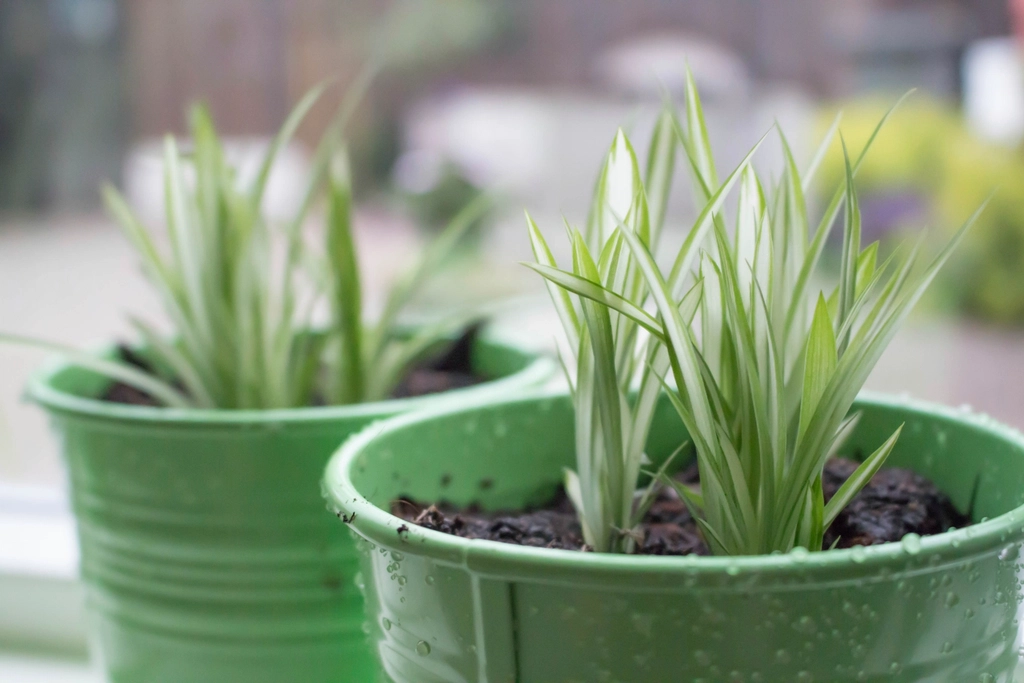
- Offsets and plantlets (the “babies” some plants send out): spider plant, Chinese money plant and hen and chicks
The same guide says most houseplants can be propagated year-round, though spring through summer works best. It also advises taking pieces only from healthy, vigorously growing plants.
Pricing so your costs are covered
Before you set a price, add up what each plant costs you: the pot, the potting soil and any labels. Then see what similar young plants sell for nearby and price yours fairly. A rooted plant in a nice pot will usually fetch more than a loose cutting.
As a rough, hedged estimate, selling a handful of small plants a month might cover a $10 to $15 streaming plan. Results vary.
Where to sell
- Neighbors, friends, and church or club members
- A table at a community yard sale or local market (check the rules first)
- Nextdoor or Facebook Marketplace, for local pickup only
Shipping plants to other states brings extra rules. FindLaw notes, for example, that Hawaii requires plants to go through quarantine and Texas restricts certain plants and requires houseplants to be free of pests and disease. Keeping sales local is simplest.
Check your state’s rules first
Some states license plant sellers, even small ones. FindLaw notes that Florida requires a license for plant sales and New York requires plant sellers to register. In Illinois, an Extension answer says even a small backyard grower selling on Facebook may need a state nursery license, and retail sales are subject to sales tax. Rules vary, so check with your state department of agriculture before you start.
A thoughtful touch: pet safety
Some popular houseplants aren’t safe for pets. The ASPCA lists golden pothos as toxic to dogs and cats, while it lists the spider plant as non-toxic. A small tag with the plant’s name and a reminder to check pet safety is a kind extra.
A word on taxes and benefits
Plant sales are income. The IRS says you must file a return if your net self-employment earnings are $400 or more for the year. If you get Social Security before full retirement age, the Social Security Administration counts net self-employment profit toward its yearly earnings limit ($24,480 in 2026). SSI, Medicaid and housing assistance have their own rules. This is general information only, so check your own situation.
Sources
- Iowa State University Extension and Outreach: Propagating Houseplants
- FindLaw: Is it Legal To Sell Plants and Produce From Home?
- Ask Extension: What permits and licenses do I need to sell live plants from home
- ASPCA: Golden Pothos
- ASPCA: Spider Plant
- IRS: Self-Employed Individuals Tax Center
- Social Security Administration: Receiving Benefits While Working