Teaching a Hobby Class Through Your Local Parks and Recreation Department
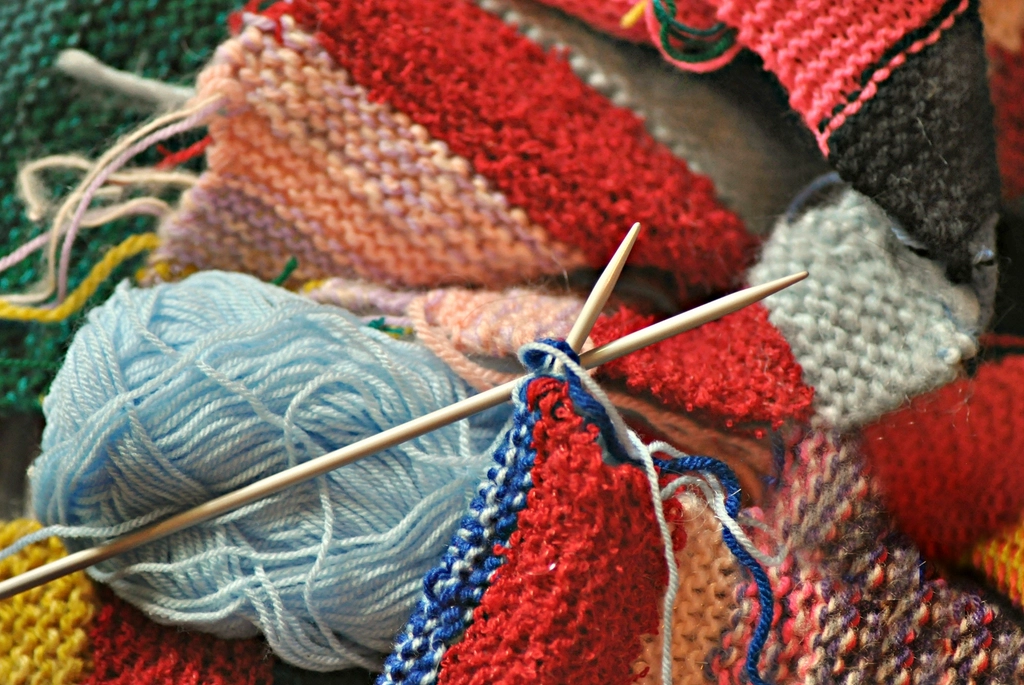
If you knit, paint, garden, bake bread or know your way around a sewing machine, someone in your town probably wants to learn it. Many city parks and recreation departments pay local people as “contract instructors” to teach short classes. It can be a gentle way to earn a little from a skill you already have.
How the pay usually works
Contract instructors are usually not city employees. Instead, you get a share of the registration fees the city collects. The split varies from city to city. Here are two examples from California, as of October 2026:
- In Encinitas, the standard split is 60% to the instructor and 40% to the city. The city’s share covers the room, registration, card fees and a listing in the activity guide. Classes for adults 50 and older use a 70/30 split.
- In Fullerton, instructors receive 60% when the class meets in a city building and 70% when it meets in a private space.
Here is a simple example, just to show the math. If 8 people each pay $40 for a four-week knitting class, the fees add up to $320. At a 60% share, you would receive $192 before supplies and taxes. That could cover a streaming plan or part of a phone bill. Your own numbers will depend on your city, your price and how many people sign up.
Getting started, step by step
- Look at your city’s current activity guide, usually on the city website, to see what is already offered.
- Find the “Teach a Class” or “Become an Instructor” page, or call the parks and recreation office and ask who handles contract classes.
- Fill out the class proposal. Say what you will teach, who it is for, how many sessions, what supplies students need and what you would charge. If a similar class already exists, explain how yours is different.
- Watch the deadlines. Encinitas, for example, asks for proposals about four months before registration opens.
Libraries, senior centers, yarn shops and garden centers sometimes host local teachers too. Ask how they pay before you agree.
What cities may ask of you
Requirements differ, so ask for the instructor handbook. Common ones include:
- A W-9 tax form, because you are paid as an independent contractor.
- Liability insurance. Encinitas asks for $1 million in general liability coverage and offers a low-cost policy through the city.
- A local business license or registration.
- Fingerprinting and a background check, especially for classes with children. Fullerton lists a $57 fee for this.
One more rule to look for: Fullerton does not allow classes that sell or promote your own products. Read the rules before you plan to sell kits.
Taxes and benefits
Class income counts as self-employment income. The IRS says you generally must file a tax return if your net self-employment earnings are $400 or more for the year. If you are under full retirement age and collecting Social Security, earnings over $24,480 in 2026 can reduce your benefits for a while. SSI, Medicaid and housing help have their own rules. Please check your own situation with the official sources below.
Keep it comfortable
Pick a class length and group size that suit your energy. If you carry supplies, a rolling cart is kinder to your back than heavy bags.
More on Replace a Bill
- Teaching Music Lessons From Home: Turning a Lifelong Skill Into Income
- Pricing Your Handmade Crafts So Your Time and Materials Are Covered
- Finding Your First Local Customers: Word of Mouth, Bulletin Boards and Nextdoor