Making T-Shirt Memory Quilts for Others: A Quilter’s Side Income
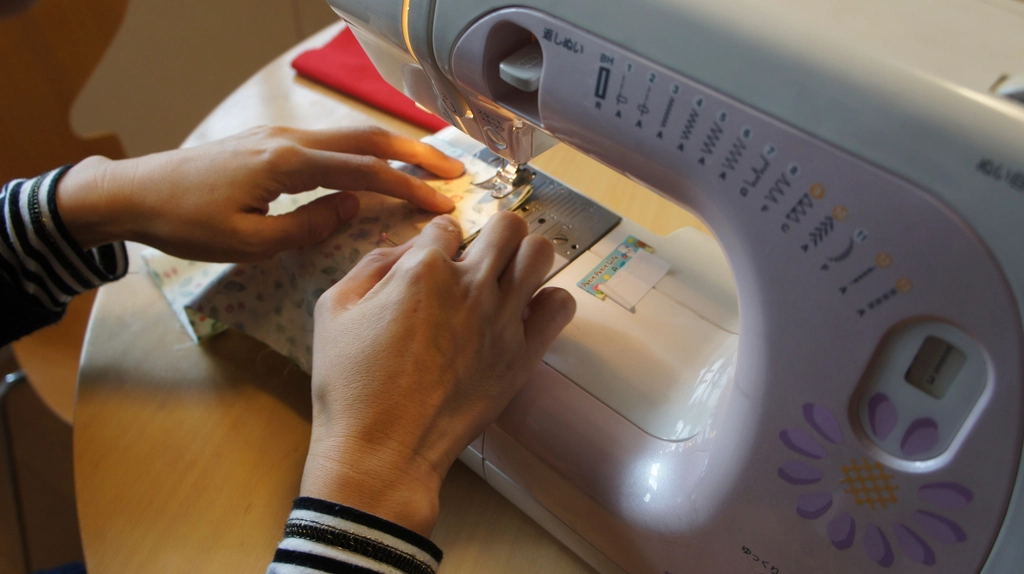
Many families have a drawer of T-shirts they can’t bear to give away: old team shirts, race shirts, a late husband’s favorite. Turning those shirts into a quilt is a popular custom order. If you already quilt, it can be a way to earn from your sewing machine, one order at a time.
What the work involves
T-shirt fabric is knit, so it stretches. A step-by-step guide from Missouri Star Quilt Company advises fusing a medium-weight woven interfacing to the back of each shirt before cutting. Without it, the blocks can turn out wavy. That step adds time and supplies, so count it in your price.
The same guide gives a rough idea of how many shirts each size takes with 12-inch blocks:
- Lap or throw: about 20 shirts
- Twin: about 35 shirts
- Full or queen: about 48 shirts
Before you cut anything, wash the shirts, take a photo of each design and agree with the customer on which designs go in. These shirts often can’t be replaced, so a written note of what you received protects you both.
What to charge
It helps to know what customers see elsewhere. Project Repat, a large online T-shirt quilt company, listed prices from $75 for a lap size to $249.99 for a king with fleece backing when its pricing page was updated in May 2026. Those are standardized, factory-style quilts. A handmade quilt with cotton backing and your own quilting is a different product, and it takes much more time.
Thumbtack’s cost guide notes that many quilters charge roughly 3 to 15 cents per square inch of the finished quilt. For a 60-by-72-inch lap quilt (4,320 square inches), that works out to about $130 to $650. Where you land depends on your skill, your area and the design.
Whatever you charge, make sure it covers interfacing, batting, backing and thread, plus a fair rate for your hours. A deposit before you buy materials is a sensible habit.
As a rough estimate, even one quilt every month or two could help cover a bill like a cell phone plan. Orders come and go, though, so treat any income as a bonus until it proves steady.
Finding customers
- Tell friends, family, your church and your quilting guild that you take orders.
- Share photos of finished quilts, with the owner’s permission, in a local Facebook group or on Nextdoor.
- Mention that these make thoughtful gifts for graduations, birthdays and the holidays.
Safety, taxes and benefits
Watch for overpayment scams. The FTC warns about buyers who send a check for more than the price and ask you to send back the difference. The check later turns out to be fake, and the money you sent is gone. Never refund an “overpayment.”
Quilting income counts as self-employment income for taxes. If you get Social Security before full retirement age, or SSI, Medicaid or housing help, extra income can affect those benefits too. Check your own situation with the official sources below.
Long hours at the machine are hard on the back and shoulders. Take breaks, and ask for help lifting a finished king-size quilt.
More on Replace a Bill
- Pricing Your Handmade Crafts So Your Time and Materials Are Covered
- Opening a Small Etsy Shop for Your Knitting and Crafts
- Hemming Pants for Neighbors: Starting a Small Alterations Service
Sources
- Missouri Star Quilt Company: How to Make a T-Shirt Quilt
- Project Repat: How Much Does a T-Shirt Quilt Cost in 2026?
- Thumbtack: How much will your quilting cost?
- FTC: How To Spot, Avoid, and Report Fake Check Scams
- IRS: Self-Employed Individuals Tax Center
- Social Security Administration: Receiving Benefits While Working