Growing and Selling Cut Flowers From Your Garden
If you love your flower beds, you may have noticed that people stop to admire them. Some might even ask, “Would you sell me a few of those?” A small cutting garden can turn that interest into a little income.
Cut flowers are a gentle way to earn from a garden. You don’t need acres of land. You do need a sunny spot, some planning and a realistic idea of who will buy. Fall and winter are good times to plan, so you are ready when the growing season comes around.
A modest goal might be enough to help with a small bill, such as a phone plan or a streaming service. That is an estimate, not a promise. Weather, your local market and your time all make a difference.
Why Cut Flowers Can Work for a Small Garden
A guide from Virginia Tech, published through the national Cooperative Extension network, describes cut flowers as a high-value crop. Even a fraction of an acre can produce a lot of stems. For a home gardener, that means a few well-planned beds can be enough to start.
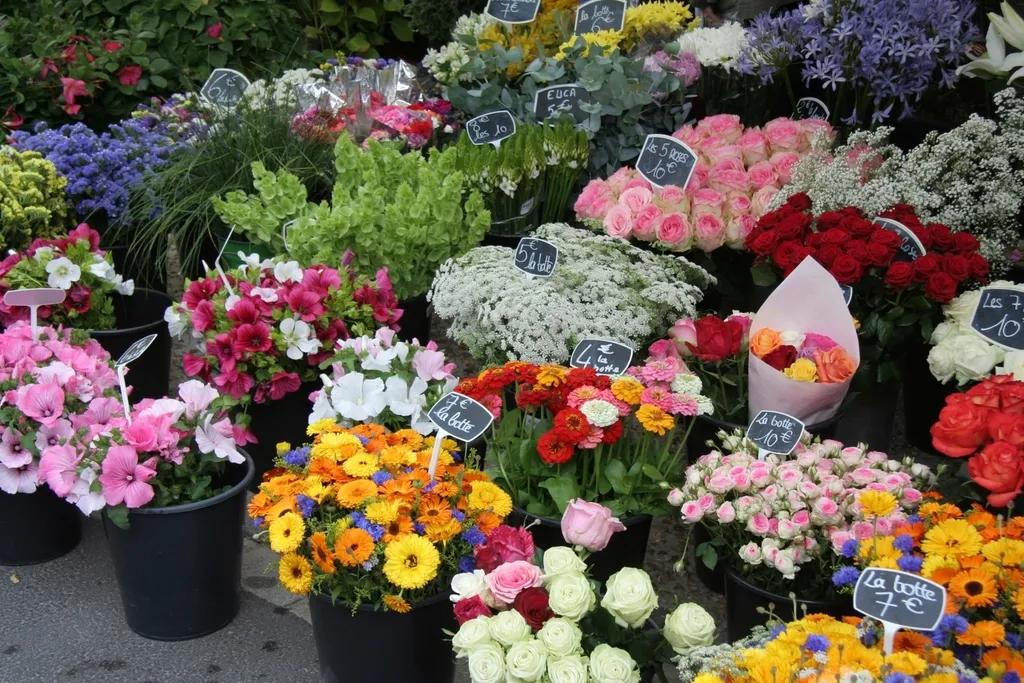
Flowers also bring people to a table. The same guide notes that flowers tend to draw customers to a farmers market booth that sells other things too.
Start With the Buyer, Not the Seeds
Mississippi State University Extension gives advice that is worth repeating: start by knowing who will buy your flowers and what they want. Its guide also warns that growers sometimes forget to plan for what happens after harvest, such as how flowers will be kept fresh, carried and sold.
So before you order seeds, ask yourself:
- Who might buy? Neighbors, a farmers market, a local florist or a church?
- How will they buy? By the bunch, as a bouquet or on a weekly order?
- Where will you keep flowers cool until they are sold?
- How will you carry buckets of water to a market, if that is your plan?
- How much time can you give it each week during the busy months?
Choosing Easy Flowers to Grow
The Ohio State University Master Gardener program lists many flowers that are good for cutting. Some of the easier ones for beginners include:
- Zinnias
- Cosmos
- Sunflowers
- Snapdragons
- Strawflowers
- Bachelor’s buttons
- Calendula
For greenery and filler, herbs such as basil and dill, ferns and ornamental grasses can round out a bouquet.
A helpful tip from the same handout: look for a small scissors symbol on seed packets and in catalogs. It marks varieties chosen for cutting, which usually have longer stems.
The Virginia Tech guide adds one caution. Roses, carnations and chrysanthemums are hard for small growers to compete on, because so many are imported at low prices. Focus on flowers that look fresh-picked and a bit special instead.
Planning Your Cutting Garden
Site and soil
Pick a spot with full sun and soil that drains well. If you don’t have a good bed, large containers can work for some flowers.
A simple plan on paper
Sketch your garden before you plant. Mix tall and short plants, and choose some that bloom for a long time. Use your area’s frost dates and the seed packet’s planting information to set a simple calendar.
Be realistic about your energy
The Ohio State handout puts it well: be realistic about your time, energy and space. A small, well-tended bed will give you more to sell than a large one that gets away from you.
Harvesting So Flowers Last
How you cut matters as much as how you grow. The Ohio State handout recommends:
- Cut during the coolest part of the day, such as early morning.
- Bring a bucket of water with you, and put stems in it right away.
- Use sharp, clean scissors or a knife.
- Cut long stems, roughly 5 to 18 inches.
- Strip off leaves that would sit below the waterline.
- Keep flowers in a cool place and in water at all times.
Fresh, long-lasting flowers bring buyers back. Flowers that wilt the next day do not.
Where You Might Sell
Neighbors and friends
The simplest start. A few bouquets for a neighbor’s dinner party or a friend’s birthday can teach you a lot about what people like.
A farmers market
Markets can bring steady foot traffic, but competition can be strong. The Virginia Tech guide suggests finding out what other vendors sell in each season. Ask the market manager about rules, booth fees and whether they allow flower-only tables.
A small farm stand or table at the end of your driveway
The same guide mentions farm stands and even “you-pick” gardens, where customers cut their own. You-pick saves you work, but it means visitors in your garden. Think about whether you are comfortable with that.
Florists
Florists may value unusual flowers that are hard to find. They also expect steady quality and on-time delivery, so this works best once you know your garden well.
Flower subscriptions
Some growers sell weekly bouquets to a small list of regular customers. The challenge, as the guide notes, is matching your bloom times to the days you promised.
Pricing Your Flowers
The Virginia Tech guide suggests keeping prices simple and consistent so customers understand them. It gives example prices from 2019, which show the kinds of choices growers make:
- A few price points with different stem counts, such as $6 for three sunflowers or six zinnias
- Single stems at about $2 each, with a discount for several
- Two bouquet sizes, such as a small one for $8 and a large one for $16
Those prices are from 2019 and are only examples. Prices vary widely by region, so visit a few local markets this season and note what flowers sell for near you. Make sure your price covers seeds, water, buckets, wrapping, market fees and your time.
If you also enjoy starting plants from seed, our sister site has a guide to selling flower and vegetable seedlings, which covers licensing questions for live plants.
Rules, Permits and Taxes
Rules for selling cut flowers vary by state, county and market. Before you sell, check with your local farmers market manager, your city or county about any home business or sales permit, and your state about sales tax.
Side income counts as income. The IRS says you generally owe self-employment tax if your net self-employment earnings are $400 or more in a year.
If you receive benefits, check how extra income could affect them. Social Security has an earnings limit if you are under full retirement age. SSI, Medicaid and housing assistance have their own income rules. This is general information only. Check your situation with Social Security, SSI’s income rules or Medicaid.
A Word on Safety
Gardening for sale is more physical than gardening for fun. Buckets full of water are heavy, so fill them partway and carry one at a time, or use a garden cart. Use a kneeling pad or a garden stool to protect your knees and back. Work in the cooler hours, drink water and wear a hat. Keep your cutting tools sharp, since dull blades take more effort.
A Simple First-Season Plan
- This winter, sketch a small bed and pick three or four easy flowers.
- Order seeds with the scissors symbol, and note your frost dates.
- Plant in spring, and keep notes on what blooms and when.
- Give a few bouquets away early in the season and ask for honest feedback.
- Once you have steady blooms, try selling to neighbors or at one market day.
- Track what you spend and what you earn, so you know whether it’s covering your bill.
More on Replace a Bill
- Selling Extra Garden Vegetables at a Farmers Market
- Selling Houseplant Babies: A Small Income From Cuttings and Offsets
- Pricing Your Handmade Crafts So Your Time and Materials Are Covered
Sources
- Cooperative Extension (Virginia Tech): Marketing Specialty Cut Flowers
- Mississippi State University Extension: Do You Want to Grow and Sell Flowers?
- Ohio State University Master Gardener Volunteers: Cut Flower Gardening
- IRS: Self-Employment Tax (Social Security and Medicare Taxes)
- Social Security Administration: Receiving Benefits While Working