Making and Selling Handmade Soap: A Careful Beginner’s Guide
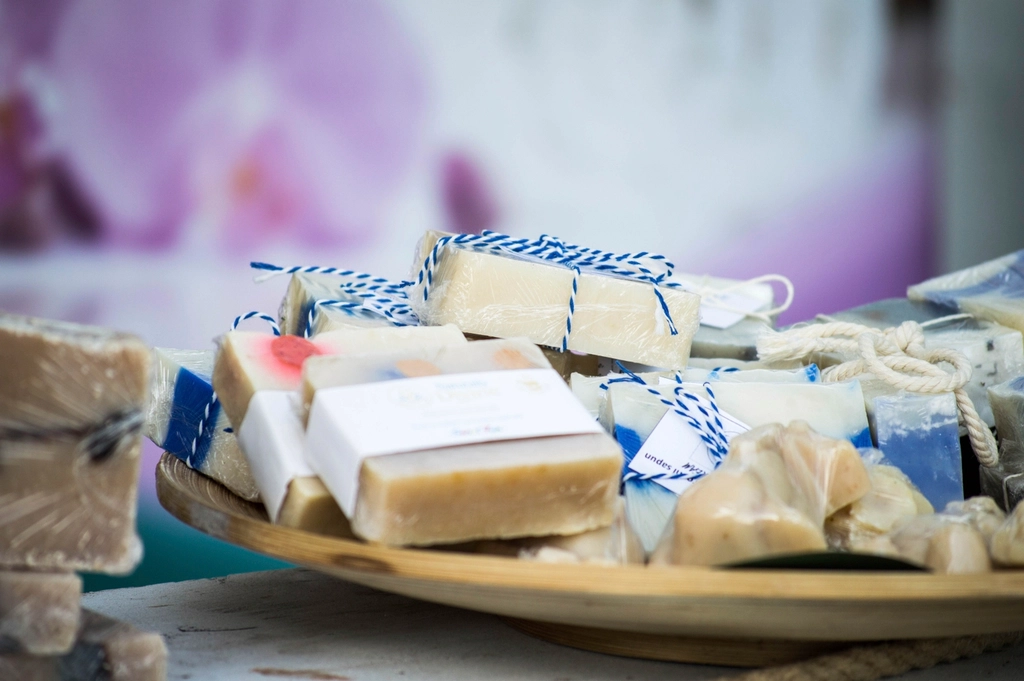
If you already make soap for family and friends, or you have always wanted to try, soap can be a pleasant hobby that also brings in a little money. Bars are small and light. People buy them as gifts, as stocking stuffers and as a treat for themselves.
Soap is also a hobby with a few more rules than most. You work with a strong chemical, and the words you put on your label decide which government agency’s rules apply. None of this is hard once you know it. This guide walks through it slowly, so you can decide whether soap is right for you.
As a rough goal, a few sales a month could help toward a small bill, such as a $15 streaming plan. That is an estimate, not a promise. Sales depend on your area, your prices and how much time you want to spend.
Is Soap a Good Fit for You?
Before you buy supplies, ask yourself a few honest questions:
- Do you have a quiet space where children and pets can be kept out while you work?
- Are you comfortable following a recipe exactly, measuring by weight?
- Can you wait several weeks between making a batch and selling it?
- Do you have room to store bars while they cure?
If the answers are mostly yes, read on. If not, a hobby with fewer steps may suit you better, and that is perfectly fine.
First, Know What You Are Selling: Soap, Cosmetic or Drug?
This is the part that surprises most new sellers. In the United States, “soap” has a specific meaning, and it affects which rules you follow.
The three-part test for true soap
The U.S. Food and Drug Administration (FDA) says a product counts as true soap only if all three of these are true:
- Most of it is made from fats or oils combined with an alkali (lye). This is the old-fashioned way soap has always been made.
- Its cleaning power comes from that fat-and-lye mixture, not from synthetic detergents.
- It is labeled, sold and described only as soap, for cleaning.
When a product meets all three, it is regulated by the Consumer Product Safety Commission (CPSC), not the FDA. The CPSC does not set special labeling rules for ordinary bar soap, although soaps still fall under general consumer safety laws.
How a few words can change everything
The FDA explains that claims change what your product is. If you say your soap moisturizes skin, makes you smell nice or deodorizes, it is treated as a cosmetic. If you say it kills germs or helps with acne or eczema, it is treated as a drug, and drugs have much stricter rules.
So the simplest path for a hobby seller is plain, honest wording: “handmade soap,” the scent name and the ingredients. Leave out health promises.
One more thing to know. Some ready-made “melt-and-pour” soap bases contain synthetic detergents. The FDA says products like that are cosmetics, even if the word “soap” is on the label. Check your supplier’s ingredient list.
If your product counts as a cosmetic
You can still sell it, but there are a few more steps. According to the FDA’s fact sheet for small businesses:
- The FDA does not license cosmetics businesses, but your state or city might have its own rules.
- Ingredients must be listed by their common names.
- Your label must show your name and a street address, city, state and ZIP code. A website or P.O. box is not enough.
- You are responsible for making sure the product is safe and for keeping records that support its safety.
- A 2022 law requires many cosmetic makers to register with the FDA, but certain small businesses are exempt. Read the FDA’s fact sheet to see whether that applies to you.
Soaps made for children
If you plan to sell soap made mainly for children 12 and under, the CPSC treats it as a children’s product. That brings extra steps, including a tracking label, lead testing by an approved lab and a certificate. Many hobby sellers simply avoid marketing soap to children.
Lye Safety Comes First
Traditional bar soap is made with sodium hydroxide, often called lye. It can burn skin and eyes. Supplier Bramble Berry’s lye safety guide lists precautions like these:
- Wear chemical-resistant gloves, eye protection, long sleeves, long pants and closed-toe shoes.
- Always add lye to water. Never pour water onto lye.
- Mix in a well-ventilated spot and don’t lean over the mixture to breathe the fumes.
- Use stainless steel, heat-resistant glass or heavy plastic. Avoid aluminum and tin.
- Keep children and pets away, and store lye in a clearly labeled container they cannot reach.
- If lye touches your skin, rinse with plenty of water for at least 15 minutes and get medical help if needed. Don’t use vinegar on skin.
A practical note: lye water gets hot, and soap batter is heavy. Work at a steady counter height, keep a clear path to the sink and don’t rush. If your hands or eyesight make careful pouring difficult, ask a helper to join you.
Curing: Plan for Patience
After you pour soap into molds, it needs time to dry. The common rule of thumb among soap makers is four to six weeks. During that time, extra water evaporates and the bar becomes firmer and longer lasting.
Bars also lose a little weight as they cure. If you print a weight on your label, weigh the bars after curing, not before.
This waiting time matters for planning. If you want soap for holiday sales, the batch needs to be made well ahead of time.
Where You Might Sell
- Friends, family and neighbors. A simple start with no fees.
- Craft fairs and holiday markets. Ask the organizer about booth fees and any permit or insurance they require.
- Farmers markets. Many markets have their own rules about which nonfood items they allow. Ask before you apply.
- Local gift shops. Some shops take handmade goods on consignment or buy them outright.
- Etsy. A larger audience, with listing and sales fees. Read the fees carefully before you list.
Pricing So Your Time and Materials Are Covered
Add up what one batch really costs: oils, lye, scent, molds, labels and wrapping. Divide by the number of bars. Then add something for your time and for any fees.
Here is a simple example with made-up numbers, just to show the math. If a batch costs $30 in supplies and makes 10 bars, each bar costs $3 to make. If you want $3 a bar for your time and a market charges you a fee, your price needs to be above $6 a bar, before fees.
Look at what similar handmade soap sells for at your local market. Don’t race to be the cheapest.
Labels That Keep Things Simple
For true soap, a short, honest label works well:
- The product name, such as “Lavender Handmade Soap”
- The ingredients
- The weight after curing
- Your name and how to reach you
Avoid words like “healing,” “antibacterial” or “treats dry skin” unless you are prepared to follow cosmetic or drug rules.
Taxes and Benefits: A Quick Check
Side income counts as income. The IRS says you generally owe self-employment tax if your net earnings from self-employment are $400 or more in a year. Your state may also require you to collect sales tax on handmade goods. Our sister site has a plain guide to seller’s permits and sales tax at craft fairs.
If you receive benefits, check before you earn. Social Security has an earnings limit if you are under full retirement age. Supplemental Security Income (SSI), Medicaid and housing help count income differently. This is general information only, so check your own situation with Social Security, SSI’s income rules or Medicaid.
A Gentle First Step
Make one small batch for yourself and a few friends. Ask honest questions: Did it lather? Did it last? Was the scent too strong? Then, if you enjoyed the process, plan a second batch to sell.
More on Replace a Bill
- Pricing Your Handmade Crafts So Your Time and Materials Are Covered
- Selling Your Handmade Goods in Local Shops: Consignment or Wholesale?
- Opening a Small Etsy Shop for Your Knitting and Crafts
Sources
- FDA: Frequently Asked Questions on Soap
- FDA: Small Businesses & Homemade Cosmetics: Fact Sheet
- CPSC: Soap Business Guidance
- Bramble Berry: Lye Safety Guide
- Makesy: How Long Does Bar Soap Need to Cure?
- IRS: Self-Employment Tax (Social Security and Medicare Taxes)
- Social Security Administration: Receiving Benefits While Working