Selling Handmade Candles: Safety, Labels and Pricing for a Beginner
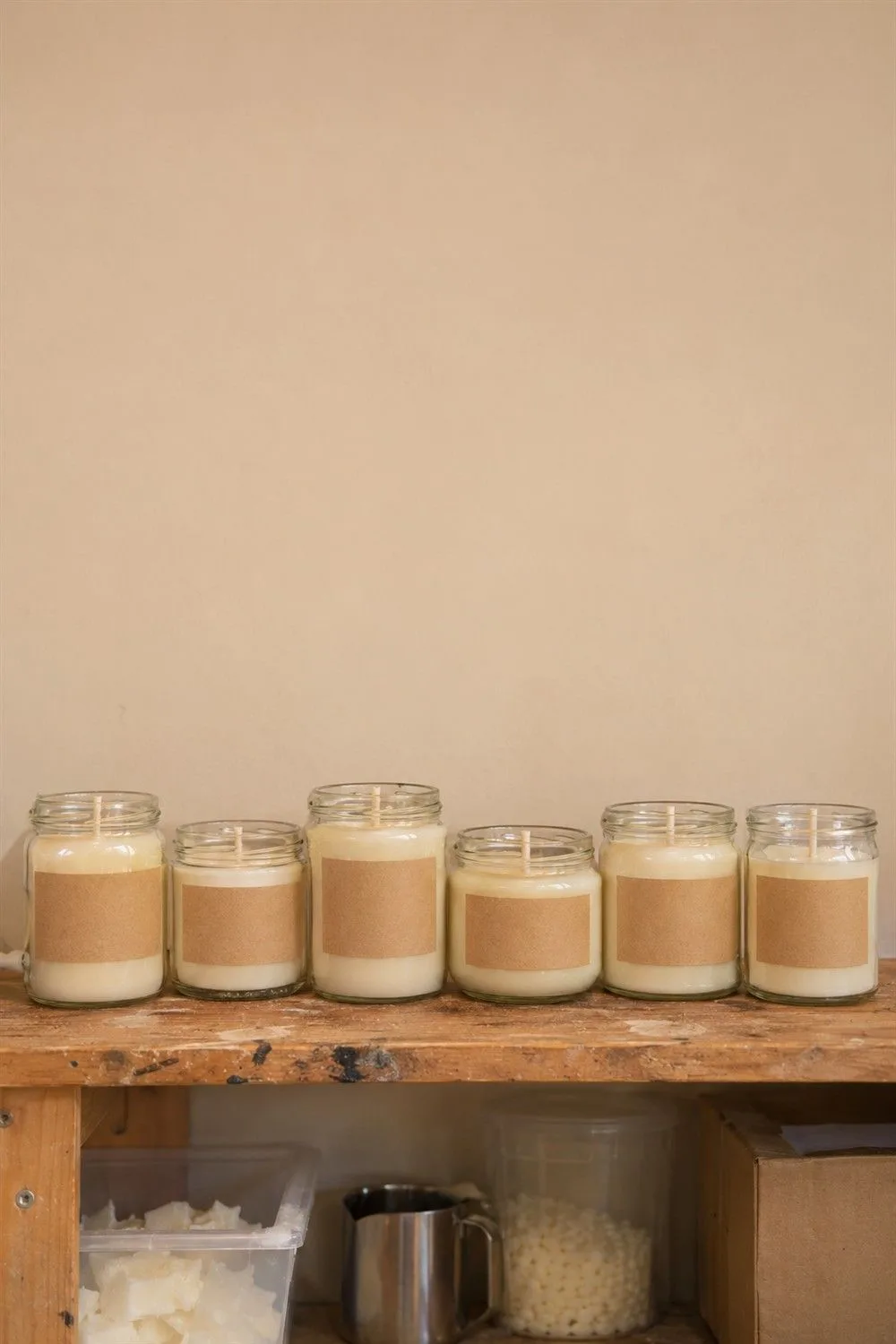
Few hobbies feel as cozy as pouring candles at the kitchen table. The room smells good, the finished jars look lovely, and friends keep asking where you bought them. For some makers, that leads to a small side income. A modest candle table could help cover something like a $15 streaming plan, though results vary a great deal.
This guide walks through what to know before you sell. Candles are a fire-related product, so a little care up front matters. We will cover safety rules, labels, pricing and where to sell.
A realistic picture of candle income
Candles are popular, which also means many people sell them. At a craft fair or online, yours will sit next to many others. What tends to set a seller apart is something local and personal: a scent that suits the season, a pretty reused jar, or a small gift set. Think of this as a few extra dollars a month, not a business that replaces a paycheck.
Safety comes first
Because a candle holds a flame, buyers expect it to be made with care. The U.S. Consumer Product Safety Commission (CPSC) has a page for candle makers and sellers. It points to a few things worth knowing.
- Wicks. The CPSC page says metal-cored candlewicks, and candles that use them, must not contain more than 0.06% lead by weight in the metal core. Many makers simply choose cotton or paper wicks, which are not metal-cored. Ask your supplier what the wick is made of.
- Warning labels. Candles that contain a hazardous substance under the Federal Hazardous Substances Act need cautionary labeling. The CPSC also lists a voluntary standard for candle fire safety labeling (ASTM F2058) and one for candle fire safety (ASTM F2417). Many sellers follow these voluntary standards as good practice.
- Containers. Use jars made to hold hot wax. The CPSC lists a voluntary standard for glass candle containers (ASTM F2179). A jar that was never meant for heat can crack.
The CPSC page also says that if you manufacture a regulated product, you may need a General Certificate of Compliance. It says candles with non-metal-cored wicks have no certification requirement. If you are unsure, the CPSC Small Business Ombudsman can answer questions at (888) 531-9070. Rules can change, so check the page below before you sell.
Simple habits that protect you and your buyers
- Keep a written list of what goes into each batch: wax, wick, fragrance and jar.
- Burn-test each new recipe yourself, on a heat-safe surface, and never leave a burning candle alone.
- Put a clear safety label on every candle. Basic advice such as “Never leave a burning candle unattended” and “Keep away from children and pets” is standard.
- Keep a few extra jars and wax in a cool place, away from stoves and heaters.
Also ask your homeowner’s or renter’s insurance agent whether selling a handmade product is covered. Many standard policies treat home businesses differently. An agent can explain your policy in plain terms.
Pricing so your time is covered
A common mistake is charging only for the wax and jar. Add up your costs for one candle: wax, wick, fragrance, jar, label and packaging. Then add a fee for your time, and for any selling fees from a marketplace or a craft fair table.
Here is a made-up example just to show the steps, not a recommended price. If materials cost $4 per candle and you want your time paid at a modest rate, you might price a candle well above the cost of materials. Our guide on pricing handmade crafts shows the full method.
Where to sell
- Craft fairs and church bazaars. Buyers can smell and hold your candles, which helps. Candles do well at gift markets in the fall and winter.
- Local shops. Some small stores take handmade goods on consignment or wholesale. See our guide on selling handmade goods in local shops.
- An online shop. Our guide to opening a small Etsy shop explains the steps. Shipping candles takes careful packing, since wax can melt or jars can break.
Sales tax and permits vary by state and city. Check with your state’s revenue department before you start selling.
What about taxes and benefits?
Money you earn from selling candles is generally taxable. The IRS says you usually must pay self-employment tax if your net earnings from self-employment were $400 or more. Side income can also affect some benefits, such as the Social Security retirement earnings test before full retirement age, SSI and Medicaid. This is general information only, so check your own situation with the IRS (irs.gov) and the Social Security Administration (ssa.gov). Our guides on side income taxes and SSI, Medicaid and housing help are a good place to begin.
A gentle way to start
Make one small batch, burn-test it, and give a few to friends for honest feedback. Then try one table at one fair. If it pays for your supplies and a little more, you can grow slowly from there.
More on Replace a Bill
- Pricing Your Handmade Crafts So Your Time and Materials Are Covered
- Selling Your Handmade Goods in Local Shops: Consignment or Wholesale?
- Step 5: Set Up a Simple Record-Keeping System